Being good at a security task gives you material to teach. It does not show that someone else can learn the task from your explanation. Start with a short lesson, a safe exercise and an assessment that reveals what the learner can do afterward. Then decide whether you want to teach vendor courses, design an organization's learning program or train specialists in your own technical field.
Choose the learners and the task before the credential
A new employee learning how to report a suspicious message needs a different lesson from an analyst learning to investigate one. Define who the learners are, what they already know and what they should be able to do at the end. Avoid beginning with the collection of slides you happen to have.
NIST SP 800-50 Revision 1 describes building and managing a cybersecurity and privacy learning program across its lifecycle. It emphasizes audiences, behavior and evaluation. Use it to connect a lesson to an organizational need rather than assuming every session should be an exam-preparation class.
The NICE Cybersecurity Instruction role offers a task reference for teaching work. Compare it with the instructional role you want. A subject specialist who teaches an occasional workshop, an instructor delivering a vendor's curriculum and a program owner deciding what employees need to learn may share techniques while having different responsibilities and entry requirements.
Build a lesson another instructor could deliver
Pick one task you already perform reliably, such as evaluating the evidence in a suspicious sign-in alert. Write the outcome in terms of an observable action. Then prepare a short explanation, a worked example and an exercise with a different case. The learner should have to make a decision, not simply repeat the words on the screen.
Prepare the lab so the permissions, data and tools are appropriate for the audience. Use authorized, sanitized or deliberately constructed training material. Include a reset process and a fallback if the environment fails. A good technical exercise can become an ineffective lesson if half the session disappears into account access problems.
Give the instructor notes to a colleague who did not help build them. Ask where they would pause, what questions they expect and how they would recognize a learner who needs help. Their review tests whether the course is teachable beyond your own memory of the subject.
Assess the task instead of the presentation
Write the assessment before polishing the slides. If the lesson concerns a sign-in investigation, ask the learner to identify relevant evidence and justify the next action. A satisfaction survey can tell you how the session felt, but it cannot establish that the person can perform that investigation.
NIST's learning-program guidance includes evaluation and improvement. Use the results to revise the lesson. If learners repeatedly miss the same step, check whether the explanation, lab data or assessment wording caused the problem before deciding they did not pay attention.
Keep records that respect the organization's privacy and employment policies. You need enough evidence to improve the training without turning an ordinary learning exercise into an unannounced performance evaluation. Agree with the sponsor what the results will be used for and explain that purpose to participants before the exercise.
Keep a technical credential that matches the teaching
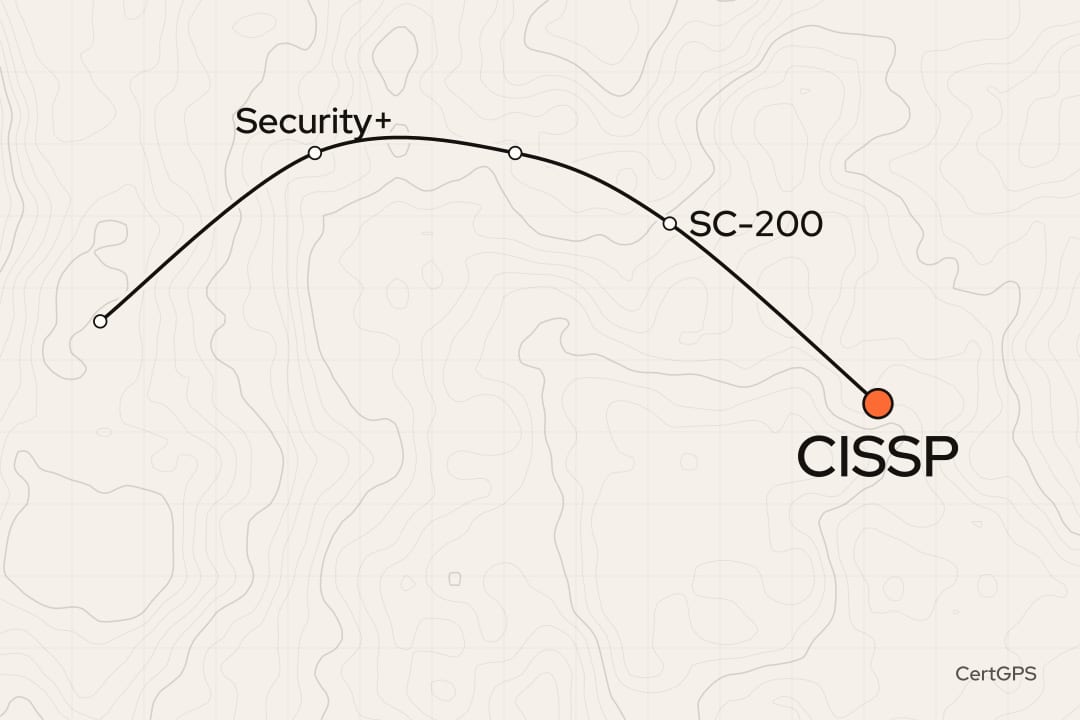
Security+ can provide a broad syllabus for introductory security instruction. It does not make the holder an approved instructor for every training provider. If you plan to teach a provider's official course, read that provider's current authorization requirements separately from the exam requirements.
For a Microsoft security operations course, SC-200 matches the Sentinel and Defender subject matter more closely. The English exam changes on October 21, 2026, so both your study material and any lesson you build around the objectives need the current skills list. A lesson can be technically accurate and still prepare candidates for an obsolete objective.
Microsoft's Certified Trainer program is a separate program with its own eligibility and instructional requirements. Check the current program page before applying. Holding a relevant certification and holding instructor authorization answer different questions, and neither replaces preparing a lesson people can use.
Decide between exam instruction and organizational learning
Exam instruction works against a published outline and an external assessment. That gives the course a clear boundary, but it can encourage teaching only the answer patterns. Pair objectives with tasks and explain where a lab differs from the exam. Do not claim access to live exam questions or use restricted material.
Organizational learning starts with the work employees need to perform. A security team may need administrators to handle privileged access requests correctly, or developers to recognize an authorization flaw in code review. The course succeeds when the work improves, even if no certification follows it.
CISSP can support broad technical credibility for an experienced instructor, subject to ISC2's certification experience requirements. It is not a universal teaching prerequisite. Someone teaching one specialist skill may be better served by keeping that skill current and having the instruction reviewed by another practitioner than by adding a broad credential immediately.
Build a teaching record you can show
Keep a shareable version of a lesson plan, exercise and marking guide. Record what you changed after observing learners. A prospective employer can then examine your choices: what the learner was meant to do, how the exercise elicited it and how the assessment distinguished understanding from repetition.
Ask to teach a small internal session before committing to a whole course. Arrange observation by someone experienced in instruction and ask for feedback on pacing, questions and learner support. Rehearsing alone helps you learn the material; observing real learners reveals the assumptions your rehearsal could not test.
If you enjoy finding the right technical explanation but not running sessions, course development may suit you better than full-time delivery. If you prefer deciding what an organization needs to learn, pursue the program-design side. The security leadership route becomes relevant when you own that program's resources and results.
Our view
We would teach and revise one good lesson before buying an instructor credential. Keep the technical qualification close to the subject and meet any official course-provider requirements explicitly. Then build evidence of learning, not only testimonials about presentation style. The self-taught learning guide is useful background for understanding learners who arrive with uneven experience, while the SOC progression route supplies concrete tasks for analyst instruction.
Sources (6)
- NIST learning program guidance: audience, lifecycle and evaluation, checked October 2026
- NICE Cybersecurity Instruction: instruction tasks, checked October 2026
- Microsoft Certified Trainer: separate trainer-program requirements, checked October 2026
- Microsoft SC-200 study guide: current skills and October update, checked October 2026
- CompTIA Security+ V8: introductory certification scope, checked October 2026
- ISC2 CISSP experience: technical credential eligibility, checked October 2026