PCI qualifications serve different purposes. PCIP develops an individual's PCI knowledge, the Internal Security Assessor program supports assessment within a sponsoring organization, and QSA work involves a qualified assessor company and its qualified people. None is a generic badge that makes every employer compliant with PCI DSS. Choose the role and program before buying a course advertised simply as PCI certification.
Keep the standard separate from the professional award
PCI DSS is a payment-data security standard. A professional qualification concerns the person and the program's requirements. An organization's validation responsibilities depend on the applicable payment-program and contractual context; a staff member's exam pass should not be substituted for that process.
Start by identifying what you need to do. You may support controls in a payment environment, help an internal assessment or work for a qualified assessor company. Each requires understanding the systems and scope, but the program rules are different. Read the Council's current page rather than relying on a training vendor's abbreviated label.
For a practical example, map a fictional payment flow and identify the components and service providers involved. Record the assumptions that need confirmation. Do not claim that a diagram alone establishes a final assessment scope; it is a way to learn which questions the responsible assessors and owners need to answer.
PCIP suits individual PCI knowledge
The PCI Security Standards Council offers the PCI Professional, or PCIP, qualification. It is an individual program relevant to practitioners who need to understand PCI requirements and their application. It does not make the holder a QSA or authorize every kind of formal assessment.
Review the published prerequisites, training and exam information before purchase. Check what the award requires and how it is maintained. If you are new to security, compare the expected knowledge with your current experience instead of assuming the payment-industry label makes it an introductory course.
Use preparation to improve a control explanation. For example, describe who can administer a system, how access is approved and what evidence would show a review occurred. Link that explanation to the applicable requirement in the study material. Avoid memorizing a clause number without understanding the operational question behind it.
ISA is tied to a sponsoring organization
The Internal Security Assessor, or ISA, program is designed for individuals working within eligible sponsoring organizations. Its qualification should not be treated as an independent consulting license. Read the current employment, sponsorship and program conditions before assuming the status transfers unchanged to a new employer.
An internal assessor needs to understand the organization's payment environment and coordinate evidence with its owners. Practise asking a precise question about a control and documenting the response. A useful assessment record shows the system, the evidence and the limits of the conclusion rather than only a passed or failed label.
If your employer asks you to pursue ISA, agree on the responsibilities and support before enrolling. Ask who will supervise the assessment, how the scope is maintained and which decisions you are expected to make. The program should fit an operating role within the organization, not become a badge without access to the relevant work.
QSA work includes company and individual requirements
The Council's Qualified Security Assessor program involves qualified assessor companies and qualified individuals. A practitioner cannot simply pass a general security exam and advertise independent QSA status. Check the current company, employment and individual requirements on the official program pages.
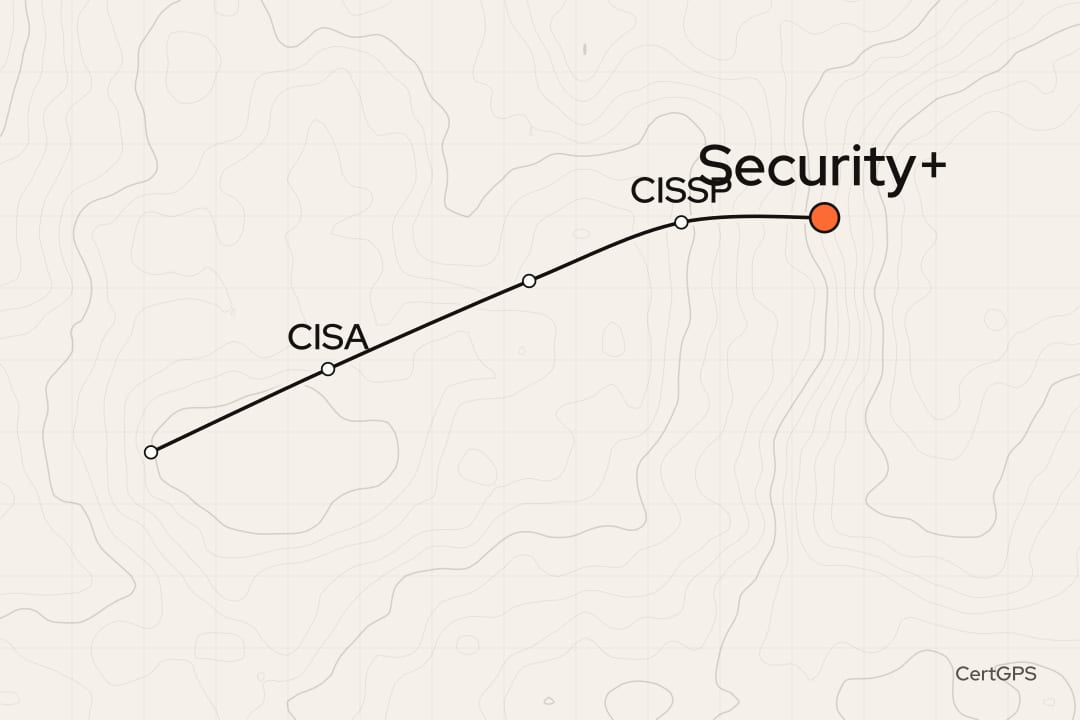
Existing professional credentials may form part of an individual's eligibility, but they are not the entire qualification. CISA supports audit and assurance knowledge, while CISSP supplies broader security coverage for experienced practitioners. Compare the exact current eligibility lists and conditions rather than assuming any security badge is accepted.
If QSA work is the goal, ask an approved company about the entry route and supervised responsibilities. Explain the payment systems and assessment work you already know. Do not promise a client a qualified service while leaving the required company relationship or individual status unresolved.
Build technical understanding alongside program study
Security+ can provide a general foundation for a newcomer. It is not a PCI qualification. Pair it with the network, application and identity knowledge needed to understand the environment you will support. An assessor needs enough technical context to recognize when an evidence item answers a different question.
Practise with synthetic configurations and records. Show a control's intended behavior, test it and document a failure path. For a third-party service, identify the information you would need about the provider's responsibilities and the customer's configuration. Avoid treating a provider's assurance statement as a blanket conclusion about every customer deployment.
The fintech security route discusses adjacent payment-sector work, and the audit qualification guide explains why professional credentials and authority for a particular report are separate checks. Select the study that closes the gap you can actually name.
Choose the program your work will use
For general individual PCI knowledge, examine PCIP. For an employee taking on internal assessment responsibilities, discuss ISA with the sponsoring organization. For external qualified assessment work, investigate the QSA company and individual route. Confirm the current conditions and maintenance obligations before paying.
Ask the provider for the exact award and issuer. A private PCI DSS attendance certificate should not be represented as one of the Council's professional qualifications unless it actually is. Use the Council's verification and program information to check claims rather than relying on a logo in a brochure.
Our recommendation is to select the program after the employer or client need is clear. Payment security competence requires understanding the scoped systems and the evidence behind the assessment. A qualification can support that work, while the organization's obligations and the assessor program's authority remain distinct.
Sources (7)
- PCI DSS: payment security standard, checked October 2026
- PCI PCIP: individual professional qualification, checked October 2026
- PCI ISA: sponsoring organization internal assessor program, checked October 2026
- PCI QSA: assessor company and individual requirements, checked October 2026
- ISACA CISA: audit qualification, checked October 2026
- ISC2 CISSP: experienced security qualification, checked October 2026
- CompTIA Security+: general security foundation, checked October 2026