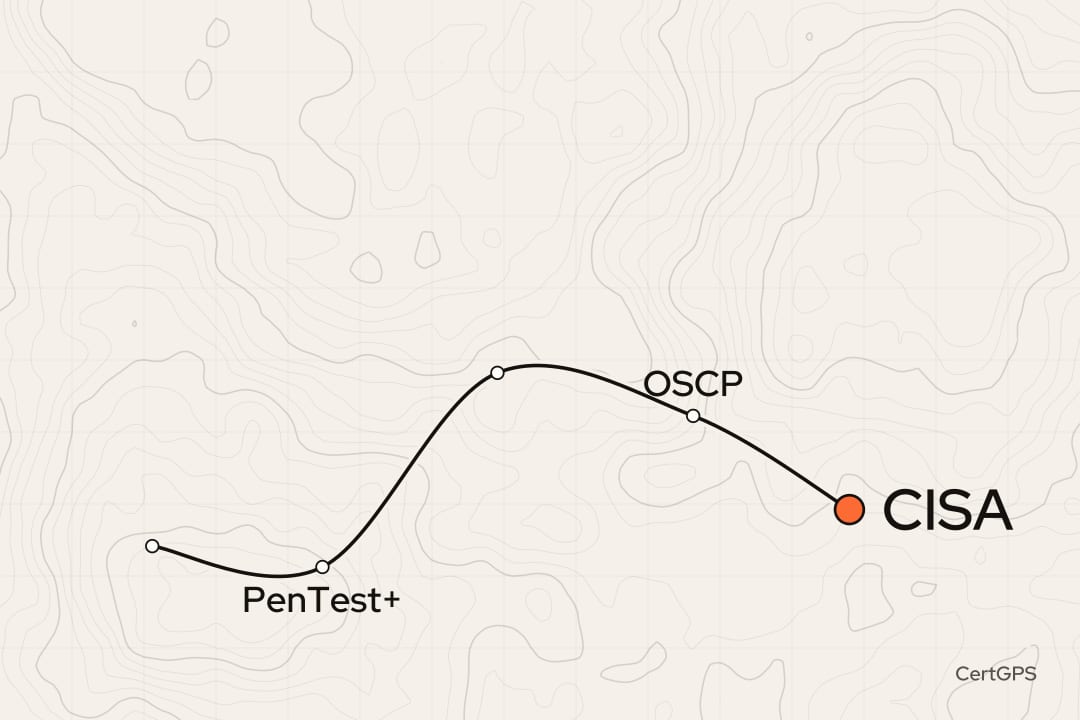
Choose a service you can deliver before choosing the credentials to advertise it. A freelance penetration test, cloud review and control assessment require different methods and may involve separate client or program requirements. A certification can support your proposal, but it does not define the scope, supply permission to test or establish that you can issue every kind of assurance report.
Define the deliverable narrowly enough to review
Write a plain description of the service: the systems included, the questions you will answer and the evidence you will provide. Avoid selling an undefined security audit if the actual work is a configuration review. A client should be able to understand what is covered and what remains outside the engagement.
Use the NICE Workforce Framework to identify the tasks the service requires. If you plan to assess software, examine the software security assessment work role. If you plan to advise on architecture, identify the design responsibilities. Then compare those tasks with work you have already performed and had reviewed.
Start with a scope you can support. A limited review with a defensible report is a stronger offering than a broad claim backed only by exam passes. Where the proposed work needs expertise you do not have, narrow the service or arrange appropriately qualified support before promising the deliverable.
Select assessment credentials for the method you will use
PenTest+ covers penetration testing across planning, technical work and reporting. OSCP uses a practical assessment and requires a report. Either can support preparation for authorized testing, but neither turns the exam environment into evidence that you can safely test every client technology.
Study NIST SP 800-115 for technical testing and assessment planning. Use it to examine the objectives, methods and limits of the proposed engagement. Agree on authorization and operational constraints before work begins. A client's general request for security help is not a useful substitute for a defined testing scope.
Produce a sample report using your own lab. Include the conditions required for the issue, evidence of the observed behavior and a correction that can be checked. Separate verified impact from a possible wider consequence. Ask a competent reviewer to challenge the report before using it as an example of your service.
Match cloud and assurance work to different evidence
CCSP is relevant to experienced cloud security work. Pair it with the platform competence needed to inspect the actual environment. A cloud review should identify provider and customer responsibilities and explain which settings, identities and logs you examined. A broad credential does not establish expertise in every managed service.
CISA supports an information systems audit and assurance route, subject to ISACA's experience requirements. It does not automatically authorize a consultant to issue every regulated or profession-specific opinion. If a client needs a particular formal report, identify the body and qualifications required to provide it before making an offer.
PCI's Qualified Security Assessor program illustrates why those distinctions matter: qualification involves an approved assessor company and qualified individuals under the program. Holding a general security credential is not the same as being a QSA. Read the current program requirements if the proposed service involves that status.
Build a proposal that separates credentials from authority
State the credential exactly as the issuer permits and provide a verification route where available. If you passed an exam but do not hold the full certification, say so accurately. Do not advertise a full CISSP on the basis of an Associate of ISC2 designation or an incomplete endorsement process.
Describe relevant work in terms the client can assess: the environment, the decision and the evidence. Use approved examples or synthetic material. A former employer's report is not automatically yours to republish because you wrote part of it, and removing the logo may not remove confidential information.
Be clear about the decisions the client retains. You can recommend a control or explain a risk while the client decides its business priority. Do not present a credential as permission to accept that risk for the organization. The proposal should identify who can approve changes and who can stop testing if an operational problem arises.
Plan delivery and handling of client information
Before accepting work, decide how evidence will be collected, stored, shared and disposed of under the engagement terms. Use only the access required for the agreed service. Record assumptions and exclusions so the report does not later imply that unexamined systems were assessed.
Practise a complete delivery on a fictional client environment. Include an opening scope, the working evidence and a final explanation a system owner can act on. Test whether another person can reproduce the finding without relying on your memory. The exercise can reveal gaps that another exam would leave hidden.
ISC2's code of ethics requires competent and responsible professional conduct for its members. Treat competence as a limit on what you sell, not merely a statement in a profile. If the engagement changes into work outside your ability or authorization, pause that portion and agree on a revised scope with the client.
Expand after the service survives review
Add another credential when it supports a service you are preparing to deliver or meets a client's explicit requirement. A cloud specialist moving into assurance may need a different addition from a tester expanding into application review. Keep the multiple-certification strategy tied to that concrete choice.
Track the parts of delivery that needed help: scoping, evidence quality, technical analysis or communicating a finding. Choose the next learning activity from that record. No certification sequence supplies a guaranteed rate, client pipeline or income. A credible early offering is a service whose method, limits and results you can explain to someone who will rely on it.
Sources (8)
- NICE Framework: service tasks and responsibilities, checked October 2026
- NIST technical testing guide: assessment planning and limits, checked October 2026
- CompTIA PenTest+: testing qualification, checked October 2026
- OffSec PEN-200: practical testing course, checked October 2026
- ISC2 CCSP: cloud security qualification, checked October 2026
- ISACA CISA: audit qualification, checked October 2026
- PCI qualified security assessors: company and individual qualification distinction, checked October 2026
- ISC2 ethics: competent and responsible service, checked October 2026