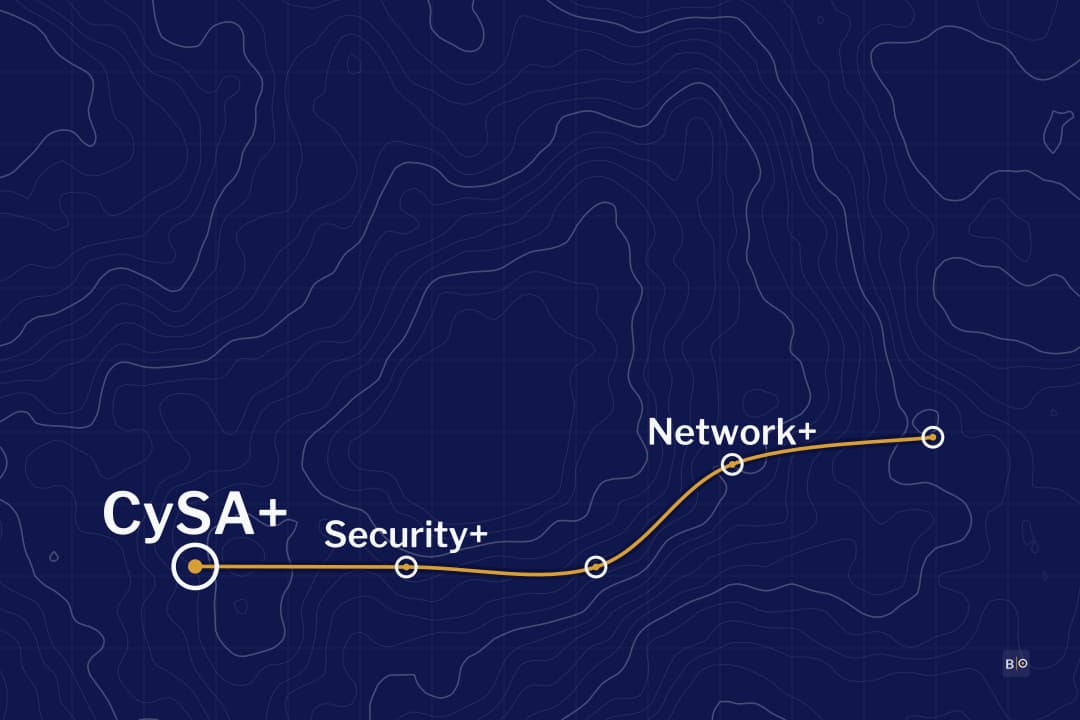
Telecom security starts with the network you will operate or assess. A carrier's cloud platform, an equipment supplier's development process and an enterprise customer's network each need different evidence of competence. Choose that setting first, then combine networking practice with a security credential that fits the role. A course about 5G alone will not establish readiness to protect a production service.
Find the boundary of the job
Read a telecom vacancy for the actual systems and decisions it names. Does the team investigate operational alerts, review equipment, manage network infrastructure or secure a cloud deployment? A title that contains network security may describe any of those responsibilities. Ask what the person will configure, what access they will have and who approves changes.
Use the NICE Workforce Framework to translate a broad title into tasks. Defensive cybersecurity and infrastructure support provide useful references for operational work; cybersecurity architecture suits design responsibilities. These are work-role descriptions, not a list of certifications required by every carrier.
Choose an initial route that makes use of existing experience. A network operator can build from routing and service troubleshooting into monitoring and access control. A developer working on a network function can approach security through software review and deployment. Both routes need knowledge of how a change affects the service, but their early learning should differ.
Make networking knowledge observable
Before specializing, be able to follow a connection through the systems you are responsible for. Practise reading a packet capture, interpreting a routing decision and separating a name resolution failure from an access policy failure. Use a local or authorized lab and keep a diagram that matches the configuration you actually ran.
Network+ is a possible foundation if you need a structured networking syllabus. Experienced operators should compare the objectives with their current work before paying for another general exam. A platform-specific qualification can be a better use of time when the target role names equipment you will administer.
Add Security+ when security fundamentals are the gap. Study identity, cryptography and control selection alongside the networking lab. For example, change a management access policy, show which administrative path still works and explain the recovery procedure if the change locks the operator out. Record the test conditions rather than claiming that the exercise resembles every carrier environment.
Distinguish equipment assurance from a personal credential
GSMA's Network Equipment Security Assurance Scheme, or NESAS, concerns equipment vendor development and lifecycle processes and network equipment security evaluation. Its results help organizations assess suppliers and products. They do not turn a person attending a course into a NESAS-certified security engineer.
That distinction changes how you select training. A role that reviews supplier evidence needs familiarity with assurance scope, evaluation reports and the limits of a product assessment. An operations role needs to understand what happens after deployment: configuration, privileged access, monitoring and change. A product's assessment does not establish that a particular installation is configured safely.
Ask a provider what its certificate actually represents. Course attendance, a passed knowledge exam and an independently assessed professional credential are different outcomes. Check the issuer, published syllabus and assessment method. Do not convert a product or organizational assurance claim into a personal qualification on your resume.
Follow the platform into cloud security
For a role operating cloud-hosted services, learn the deployment and identity controls of the platform in use. Practise how service identities receive permissions, how a deployment is approved and how the team can recover from an incorrect policy. A useful sample includes the failed deployment as well as the successful one, because operational recovery is part of the work.
CCSP provides broader cloud security coverage for an experienced practitioner. ISC2's certification has an experience requirement, so a beginner should not treat it as a substitute for running a cloud environment. A relevant platform credential and a bounded deployment project may be the better initial step.
Describe the responsibility split between the service provider and the customer for the system you built. Identify which logs you can collect and which controls the provider operates. Avoid claiming that a cloud qualification validates knowledge of every mobile network protocol. The cloud security career track can help plan the adjacent cloud work.
Turn an alert into a service-aware investigation
CySA+ fits an analyst route focused on investigation, vulnerability management and response. Pair the outline with an exercise that begins with an operational symptom. Explain the logs you examined, the alternatives you ruled out and why the proposed action is proportionate to the evidence.
A suspicious connection may warrant investigation without immediately justifying a service interruption. Practise writing a recommendation that distinguishes observation, confidence and business effect. Name the decision owner and the next evidence required. This is a suggested exercise, not a universal incident policy for telecom operators.
CompTIA has current and retiring CySA+ exam versions in circulation. Read the study guide before buying a voucher or scheduling a preparation plan; an outdated objective list can send effort toward an exam you will not sit. Select the exam version first and use materials written for it.
Apply with a focused account of your work
Build an application around the systems you can explain. A networking candidate might show a configuration review with a recovery plan; an analyst might show an investigation; an assurance candidate might compare the scope of a supplier assessment with the proposed deployment. Remove customer identifiers and use synthetic material where permission is absent.
At interview, ask which skills the team can teach and which must be present on entry. Then choose the next credential for the missing responsibility. Telecom is too broad for a single badge sequence to serve every role. The useful sequence ends with you being able to describe a change, its risk and the evidence supporting the decision to make it.
Sources
- NICE Framework: planning by work tasks, checked October 2026
- GSMA NESAS results: equipment and vendor assurance scope, checked October 2026
- CompTIA Network+: networking foundation, checked October 2026
- CompTIA Security+: security fundamentals, checked October 2026
- CompTIA CySA+: analyst exam scope, checked October 2026
- ISC2 CCSP: cloud security qualification, checked October 2026