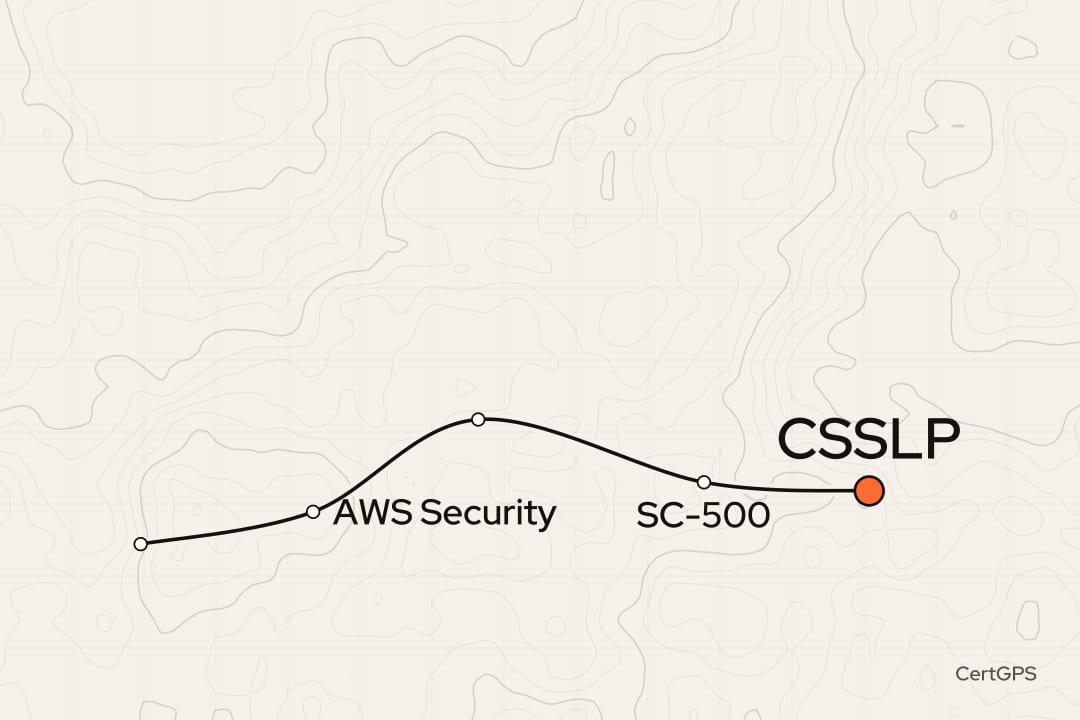
A startup security engineer may work on a product flaw in the morning and an access review in the afternoon. The breadth makes prioritization part of the job from the start. Build depth in the product and cloud environment first, then turn repeated requests into processes the team can operate. Choose a certification for the decisions you are about to own rather than trying to prepare for every possible first-hire responsibility.
Find the company's immediate security problem
Ask why the role exists now. The answer may be a product finding, customer assurance requests, rapid cloud growth or an incident that exposed missing ownership. Those reasons call for different first projects. A broad job description is easier to evaluate once you know which result the founders expect first.
NIST's Small Business Cybersecurity Corner offers resources for organizations with limited security staff and experience. Use that perspective when considering a startup's capacity. A control that needs a dedicated team to operate may be a poor first recommendation for an organization that has not assigned an owner.
Ask who can approve a change, fund a service and accept an unresolved risk. An engineer hired to own security needs a way to reach those decisions. If every improvement depends on persuading an unavailable executive after the release is already scheduled, clarify that operating arrangement before taking responsibility for the result.
Learn the product and its identities
Start with the path from a user request to the data it reads or changes. Identify administrative interfaces, service-to-service access and the pipeline that deploys new code. Record the identities involved and which team owns each one. This creates a useful connection between product security and Boston Identity's focus on accountable access.
Review a concrete lifecycle problem, such as an engineer changing teams or an automated workload being retired. Find where access is removed and where credentials remain. Test the process in a safe environment. A small organization can accumulate service accounts and deployment permissions before anyone has written down who needs them.
Use NIST's Secure Software Development Framework to examine how security work enters the development process. The framework does not prescribe one startup workflow, but it helps you ask about requirements, review, testing and vulnerability response. Keep the first improvement small enough for the product team to adopt and maintain.
Choose the cloud credential for the platform
For AWS workloads, Security Specialty provides a relevant syllabus for identity, detection, infrastructure and data protection. Study the current SCS-C03 guide and implement the parts your environment uses. A practice project should include the logs and recovery path as well as the successful configuration.
For Microsoft cloud environments, the security engineering route now covers SC-500, the Cloud and AI Security Engineer Associate. Microsoft retired AZ-500 on August 31, 2026. Check course names and objectives before using a stale Azure Security Engineer roadmap to make a purchase.
Do not add a second provider credential solely to appear ready for future growth. Use the time to review the platform you operate now. Our cloud engineer career path describes how to move from a single configuration task to reusable guardrails and incident readiness.
Turn a recurring request into a maintained process
Choose something the team repeatedly handles badly: access removal, vulnerability triage or customer evidence requests. Define the input, owner, decision and record that should exist afterward. Have the people doing the work help design it. A security process imposed without considering their tools often survives only while its author chases it.
For vulnerability handling, agree how a finding reaches the team, who assesses impact and what makes a repair complete. Preserve the distinction between a repaired defect and accepted residual risk. CISA's secure-by-design resources are useful context for moving security responsibility into product decisions instead of leaving every problem to a customer configuration.
Test the process with a realistic example and an exception. A failed dependency or unavailable owner should create a visible escalation, not a silent close. You are ready for a wider scope when the team can carry out the process without your presence and knows when to ask for a decision.
Use CSSLP or CISSP when the role broadens
CSSLP fits responsibility for security across the software lifecycle. ISC2 requires four years of qualifying work, with an accepted degree able to satisfy up to one year. It can suit an experienced developer whose security work has expanded from code fixes to design, testing and release practices.
CISSP fits a broader experienced role crossing architecture, identity, operations and governance. ISC2 normally requires five years in at least two domains, with no more than a year waived. A pass before the experience is complete may support an application for Associate of ISC2 status; it does not establish full certification.
Neither exam replaces a demonstration that you can deliver a practical change in a small team. We would take one once the work creates enough context to make the breadth useful. The product security route covers the software-focused branch, while the automation route covers maintaining the integrations behind recurring work.
Build assurance evidence from the work you operate
Customer questions can become a large part of a startup security role. Keep evidence attached to the process that produces it: access review records, change history and investigation procedures. An answer in a questionnaire should describe what the company actually does, including important limits, rather than the process it intends to implement later.
If an external assessment is planned, learn its scope and criteria with the authorized assessor or adviser. Preparing evidence and performing the independent examination are different responsibilities. The GRC progression guide explains that distinction for engineers whose roles increasingly include assurance work.
We would choose a startup role with a clear first problem, access to decision makers and room to maintain what you build. Keep a portfolio of improvements that another team can operate. Breadth becomes credible through those completed responsibilities, not through a promise that one security hire or a large certificate stack can eliminate every risk the business takes.
Sources (8)
- NIST Small Business Cybersecurity Corner: small-organization resources, checked October 2026
- NIST SSDF: secure development practices, checked October 2026
- CISA secure by design: product security responsibility, checked October 2026
- AWS Security Specialty: platform certification, checked October 2026
- Microsoft Cloud and AI Security Engineer: current SC-500 certification, checked October 2026
- Microsoft Azure Security Engineer: AZ-500 retirement, checked October 2026
- ISC2 CSSLP experience: lifecycle experience, checked October 2026
- ISC2 CISSP experience: breadth credential eligibility, checked October 2026